
Typhoons and Clark: What Being Inland Actually Changes
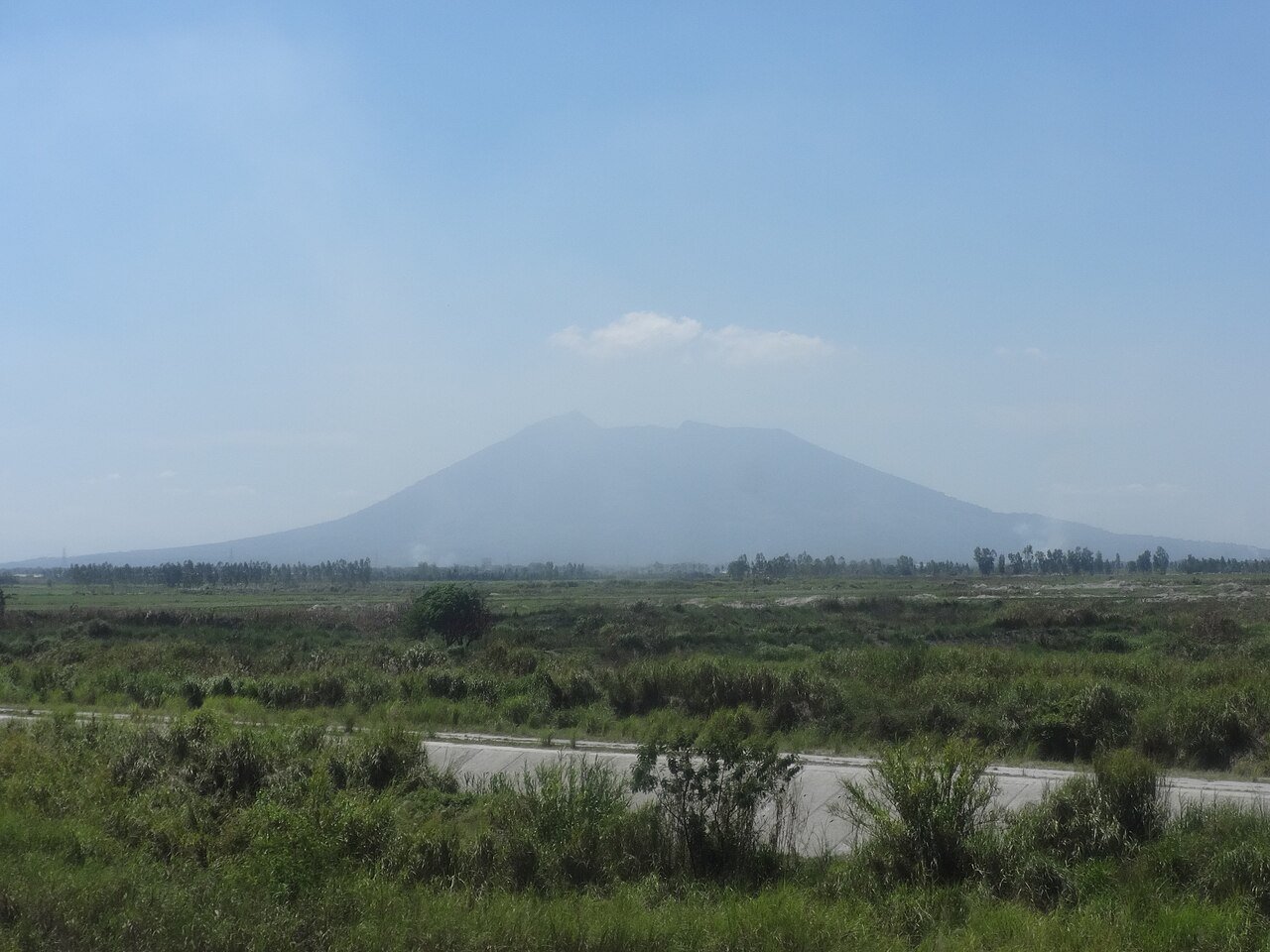
If you are weighing a few months in Clark and the word "typhoon" is the thing making you hesitate, here is the short answer: Clark is inland, roughly in the middle of the Luzon plain rather than on a coast. That geography removes one category of typhoon risk entirely — storm surge and coastal wave damage — and leaves you with two others: strong wind and heavy rain. For a language student, that usually translates into a small number of disrupted days per season, not a ruined course. What it does not translate into is a schedule you can predict in advance, which is the part worth planning for.
The Philippines sits in one of the most cyclone-exposed regions on earth, and a typical year brings a substantial number of tropical cyclones into the country's area of responsibility. Most never come near Clark. Some pass close enough to matter. The useful question is not "will there be typhoons" but "what does one actually do to my week."
Inland Versus Coastal: The Difference That Matters
A typhoon does its damage through several separate mechanisms, and your location decides which ones can reach you.
| Hazard | Mainly affects | Relevance to Clark |
|---|---|---|
| Storm surge, coastal flooding | Low-lying coastal towns, seafront property | Not applicable — Clark is not on the coast |
| Large waves, ferry and boat cancellations | Island routes, coastal transport | Not applicable to daily life; can affect island trips |
| Sustained strong wind | Everywhere in the track's path | Applies — the main structural concern |
| Heavy, prolonged rainfall | Everywhere, worst in low ground and poor drainage | Applies — the most common disruption |
| Power and internet interruption | Wide areas, inland included | Applies — plan for it |
This is why comparing Clark with a beach destination during storm season is not a like-for-like comparison. A coastal school dealing with surge and cancelled boats faces a different problem from an inland campus dealing with a wet, windy day and a possible outage.
The flip side is worth saying plainly: inland is not the same as immune. Parts of Pampanga and the surrounding plain are low-lying, and prolonged rain can cause localised flooding on roads even when wind is unremarkable. The region also carries a drainage legacy from the 1991 Mount Pinatubo eruption, which reshaped riverbeds across the province. Flooding here is a rainfall-and-drainage story, not a sea story.
When the Risk Is Concentrated
The Philippine year is usually described as a dry season and a rainy season, with the rainy season running broadly from around June into November and the greatest cyclone activity concentrated in the middle and later part of that window. Exact onset and withdrawal are announced by the national weather service each year and shift from year to year, so treat month names as a tendency rather than a calendar.
Two practical notes:
- Rainy season does not mean rain all day. In Clark the common pattern is a hot, bright morning and a heavy afternoon or evening downpour that empties out within a few hours. Classes are indoors; the rain tends to land in the gaps.
- A cyclone does not have to hit you to affect you. A system passing well to the north or sitting offshore can drag a monsoon surge across Luzon and produce several days of continuous rain. These "wet but not windy" stretches cause more cancelled plans than direct hits do.
If you have the freedom to pick your dates, our month-by-month weather guide and our piece on choosing a season to study go deeper on the trade-offs — including why the driest months are also the most heavily booked.
How Class Suspensions Are Actually Decided
This is where learners most often get bad information, so be careful with anyone who gives you a confident rule.
The sequence, in general terms, works like this:
- The national weather service — PAGASA, the government weather bureau — issues tropical cyclone wind signals for affected provinces and updates them through the day, along with rainfall warnings.
- Local government units — the province, city or municipality — may announce suspension of work and classes in their area, sometimes for government offices and public schools specifically.
- Each individual school then decides what that means for its own operations.
That third step is the one to internalise. A private language school is not automatically bound by an announcement aimed at public basic education, and different schools in the same city can reach different decisions on the same morning. Some hold classes as normal because students and teachers are already on campus. Some move to online delivery. Some shorten the day. Some suspend outright.
So do not ask "does Clark cancel class during a typhoon." Ask your school, in writing, before you enrol:
- What triggers a suspension for you — a specific wind signal, a local government announcement, or your own judgement?
- How are students notified, and through which channel?
- If a day is suspended, is it made up later, credited, or lost?
- If the campus has power but the city does not, what happens?
That last question matters more than it sounds, and it leads directly to the next section.
Power, Internet and the Make-Up Question
Wind brings down lines. Expect that a strong system can mean interrupted electricity and interrupted internet, sometimes for hours, occasionally longer, and not necessarily at the same time or in the same places.
Many campuses in the region keep a generator, but generator coverage is a choice, not a given — it may run the classrooms and not the dormitory air-conditioning, or vice versa. Ask specifically. And ask how the school handles make-up lessons, because this is where real money sits. If you have paid for a fixed number of one-on-one hours and two days vanish, the difference between "we will reschedule them" and "force majeure, no credit" is a sum worth knowing before you sign. Our guide to contracts and refund policies covers how to read that clause.
What You Should Actually Pack and Keep
None of this requires survival gear. It requires about an hour of preparation.
- A power bank, charged. The single most useful item. One that can refill a phone two or three times is plenty.
- A small torch. Your phone light works, but it drains the thing you need most.
- Waterproofing for electronics. A couple of resealable plastic bags beats an expensive case.
- Quick-drying footwear. Leather shoes and flooded streets are a bad pairing. Sandals and a spare pair of socks solve most of it.
- A few days of drinking water and simple food in your room once a system is forecast. Shops get busy and restock unevenly.
- Offline study material. Download lesson files, podcasts and vocabulary decks *before* the weather turns. This is the difference between a lost day and a quiet study day.
- Cash in small notes. Card terminals and ATMs depend on power and network.
Keep your passport, permits and any school documents in a sealed bag in one known place. Our packing checklist covers the rest of the trip.
The Information Habit That Replaces Guessing
Build a three-source habit and check it once a day during the rainy season:
- The national weather bureau for official signals, rainfall warnings and track forecasts.
- Your local government's official channels for suspension announcements in your city or province.
- Your school's own student channel — usually a group chat — for what actually happens to your timetable.
Avoid making decisions from screenshots forwarded in group chats. Storm graphics circulate fast, get recycled from old systems, and are frequently out of date by the time you see them. Check the timestamp and the source before you change a plan.
A note on travel: if you have a weekend trip booked and a system is approaching, the thing most likely to break is not your hotel but your transport — sea crossings suspend first, flights follow, buses on flooded roads follow after that. Build that into any plan with a hard return date.
How It Looks From Inside a Study Month
Set against a four-, eight- or twelve-week course, the realistic shape is this. Most weeks are unaffected. During an active stretch you may get a day or two where the city tells people to stay home, your school either suspends or moves online, and you spend the afternoon on review and vocabulary instead of in class. Trips get rearranged. Laundry takes longer to dry.
What does *not* usually happen is a lost course. Classes are indoors, Clark's exposure is wind and rain rather than surge, and the disruption lands in days rather than weeks. If your schedule has zero tolerance — a flight with no flexibility, a test date immediately on return — build a buffer at the end rather than betting on calm weather. Our piece on choosing your return flight date explains how much buffer is sensible.
Frequently Asked Questions
Q. Should I avoid the rainy season altogether?
Not necessarily. The dry months are genuinely more comfortable and also the most heavily booked. If you can accept occasional disruption, the rainy season often means more availability and more teacher attention. If your timeline is rigid, favour the drier window.
Q. Will my course fees be refunded for a suspended day?
That depends entirely on the school's contract, and policies differ. Ask before you pay, and ask for the answer in writing rather than in a chat message.
Q. Is it safe to be in Clark during a typhoon?
Staying indoors in a solid building away from windows, during a wind event, is the standard advice everywhere. The realistic hazards are falling debris outdoors, flooded roads, and downed power lines — all of which are avoided by not going out. Follow your school's and the local government's instructions rather than your own judgement about whether it looks bad.
In Short
- Clark is inland: no storm surge, no coastal wave damage — the hazards are strong wind and heavy rain.
- Low-lying parts of the surrounding plain can still experience rainfall-driven flooding, so inland is not risk-free.
- Cyclone activity concentrates in the rainy season, broadly mid-year into late year, with exact timing announced annually.
- Suspension decisions move from the weather bureau → local government → each individual school, and schools differ. Never assume.
- Ask your school in advance about suspension triggers, notification, generators and make-up lessons.
- Prepare a power bank, torch, waterproof bags, small cash and offline study material, and check official sources daily rather than forwarded screenshots.
- Across a full course, expect a day or two of disruption rather than a lost month — and keep a buffer if your return date is inflexible.
Read moreESL Philippines: What It Means and How to Choose a Course
Meet the 8 Schools →