
English Course Before an MBA: What to Fix First
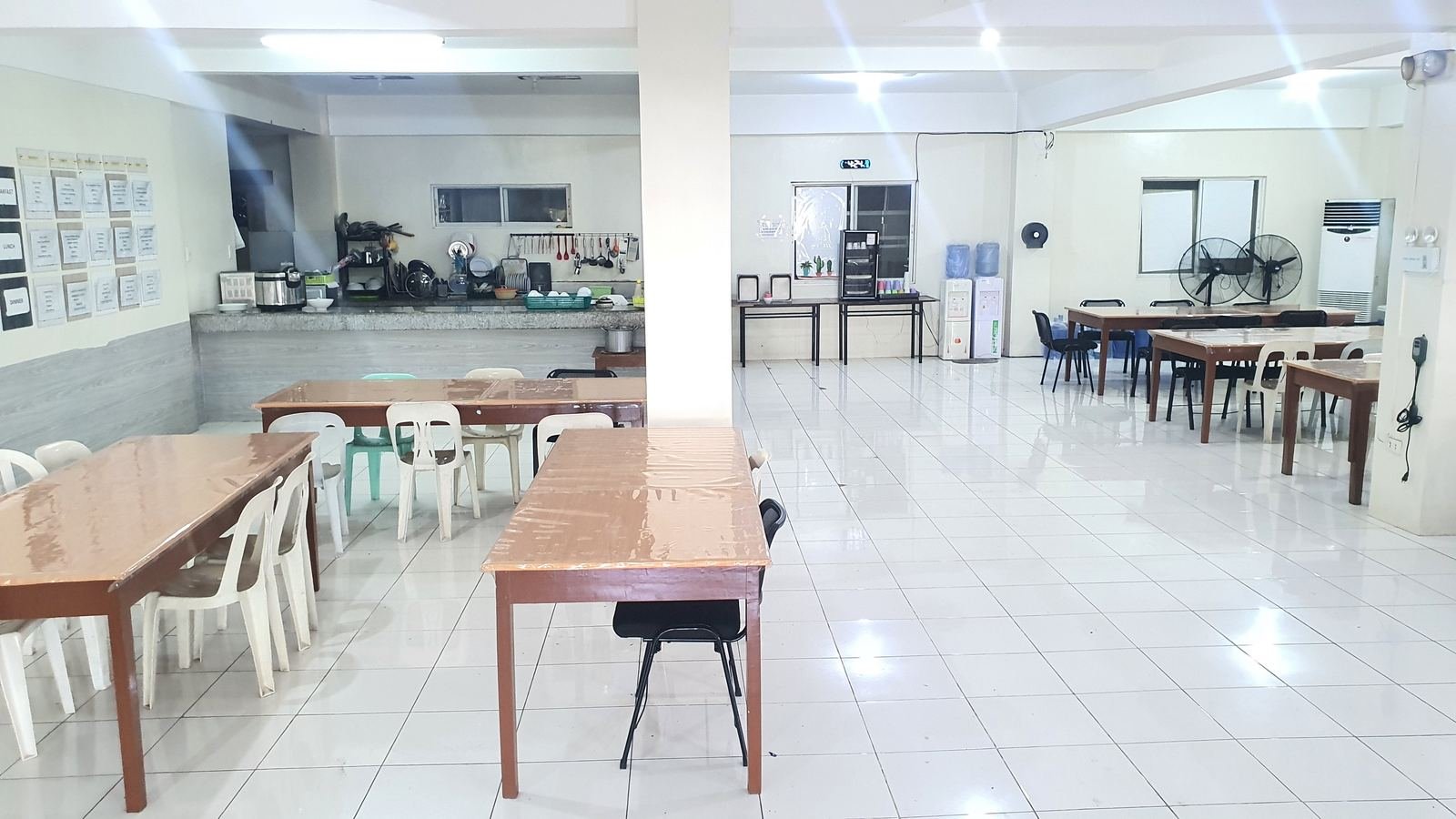
Candidates preparing for an MBA usually arrive with the same profile: a good score is in reach, written English is serviceable, and the real anxiety is sitting in a case discussion in a second language while twelve people talk over each other. Those are two different problems, and they need to be worked on in that order — the test first, the classroom English second.
Here is how to spend the months before a programme starts.
Work out which English the programme actually asks for
Before anything else, read the admissions page of the specific schools on your list and write down what they require. Requirements differ by programme and change between intake years, and no article can tell you what yours needs — only the programme's own published criteria can. The things to check in writing:
- Which English test is accepted, and whether there is a minimum per section as well as overall.
- Whether an exemption exists for prior study or work in English.
- Whether an interview is part of the process, and in what format.
- The deadline for score reporting, which is usually earlier than the application deadline.
Deciding between the common tests, for those who have a choice, is covered in TOEFL or IELTS: how adults choose.
Phase one: the score, because it has a deadline
A test score is the only part of this with a hard date attached, so it goes first. Treat it as a technical project: diagnose in the first week, work on the two weakest sections, sit full timed papers from the midpoint, and book the test before you finish studying for it.
Nobody can promise you a number. What a concentrated block abroad buys is time and error analysis — two to three hours of timed practice a day without a job attached, plus someone to explain why the same mistakes recur. If IELTS is your route, the shape of that work is in IELTS preparation in Clark.
If any school offers a score-linked guarantee, ask for the written conditions: required attendance, required practice results, whether the remedy is a refund or extra weeks, and what voids it. Read the conditions; do not enrol on the promise.
Phase two: the English an MBA classroom actually uses
This is the part most candidates underestimate, because it is not on any score report.
| Situation | What it demands |
|---|---|
| Case discussion | Entering a fast conversation, disagreeing briefly, building on someone else |
| Cold call | Answering under pressure with no preparation time |
| Group project | Negotiating roles, chasing people politely, resolving friction |
| Presentation | Structure, signposting, Q&A you cannot rehearse |
| Networking | Small talk with a purpose, and remembering names |
None of these are vocabulary problems. They are production under time pressure, which is exactly what a one-to-one format drills: you speak, you are corrected immediately, you try again. The related skills for working adults are covered in business English in Clark for professionals.
A workable sequence
- Months out: confirm requirements from the programme pages, in writing.
- Block one: the test. Diagnostic, section work, timed papers, booked date.
- Between: sit the test, report the score, keep speaking in the gap.
- Block two: classroom English. Case-style discussion, interrupting, summarising, presenting, interview practice.
- Final weeks: reading speed on business material and listening to varied accents, because your cohort will not be monolingual either.
Whether a school runs a dedicated exam track or folds exam work into general classes differs by school, as does the availability of case-discussion or presentation practice. Ask what is actually on the timetable before you enrol, and if your plan needs both phases, say so at the start rather than in week three.
What to ask the school before paying
- How many hours a day are one-to-one, and how many are supervised self-study?
- Who marks practice tests, and do you get them back annotated?
- Can the syllabus be built around case discussion and presentations rather than general conversation?
- What happens if your test date moves and you need to extend or shorten the course?
- Is interview practice available, and with whom?
Ask for all of it in writing before you pay anything, along with the refund and change terms.
Short answers
How long before the programme should I go?
Early enough that the score is settled with room for a retake, and late enough that the speaking practice is still fresh when term starts. Two blocks with a gap tends to beat one long one.
Is my score enough on its own?
It is enough for admission if it meets the stated minimum. It is not the same thing as being comfortable in a seminar, which is why phase two exists.
Should I study business vocabulary in advance?
Some, but the bottleneck is almost never vocabulary. It is the speed at which you can assemble a sentence while someone else is finishing theirs.
What about after the test?
Plan it before you leave. Keeping momentum between the test and the start of term is covered in planning an English test after your course.
The short version
Read the programme's own requirements, settle the score first with a booked date, then spend a second block on discussion, cold calls and presenting. Treat any score promise as a contract to read rather than a reason to enrol. Exam provision and class formats differ across the eight CAESA member schools in Clark, so confirm with the specific school through a partner agency. More on getting ready before you fly is in our preparation section.
Read moreESL Philippines: What It Means and How to Choose a Course
Meet the 8 Schools →