
What Do You Eat at a Clark English School?
One of the first practical questions adult students ask before booking a course in Clark isn't about grammar or teachers — it's "what am I actually going to eat for two or three months?" Fair question. If you're leaving a job or a routine behind to focus on English full-time, food isn't a minor detail; it's part of whether the whole experience feels sustainable or exhausting.
The three-meals-a-day baseline
Most CAESA member schools build a cafeteria-style, three-meals-a-day system into the course package, served on-site so students can walk from breakfast straight into morning classes without losing study time. The general rhythm is simple: breakfast before the first lesson block, lunch during a midday break, dinner after the day's classes wrap up. It's designed around the schedule, not the other way around.
Exactly how this runs — set menu or buffet-style line, fixed serving times, weekend variations — differs from school to school, so confirm the specific meal setup with your chosen school rather than assuming every campus works identically. Some run their own kitchen and staff; others contract catering. Neither is better on principle, but details like portion style and weekend hours are worth asking about before you commit.
What's actually on the tray
Cafeteria menus at schools serving a largely Asian adult student population tend to lean toward familiar, rice-based meals — everyday home cooking rather than fine dining. Filipino dishes appear regularly too, which is honestly part of the experience; a few weeks of adobo, sinigang, and grilled fish alongside more neutral international dishes is a gentle, low-effort way to get a taste of where you're actually living. Don't expect restaurant-level variety every night — this is functional, repeatable food meant to keep a room full of adults focused on a tight class schedule, not fancy.
Dietary needs and allergies
If you're vegetarian, avoid pork or seafood for religious reasons, or manage a genuine allergy, say so during enrollment, not on arrival. Many schools can accommodate reasonable requests with notice, but capacity and flexibility vary a great deal by kitchen size and staff. Ask specifically before you book if this matters to you — it's easy to solve in advance and harder to fix on day three.
When you want a break from the cafeteria
Even the best campus cafeteria gets repetitive after a few weeks, and part of an adult student's weekend or evening free time usually goes toward eating something different. Clark makes this easy because you're not isolated on a rural campus — you're inside a functioning urban area with real options nearby.
- Malls and food courts. Clark Freeport Zone and neighboring Angeles City have several malls with large food courts and standalone restaurants — a fast, air-conditioned way to get a completely different meal without much planning.
- International and Korean restaurants. Angeles City has a genuinely international restaurant scene, including a solid concentration of Korean restaurants and cafes alongside Japanese, Chinese, Indian, and Western options — useful when you're craving something specific from home.
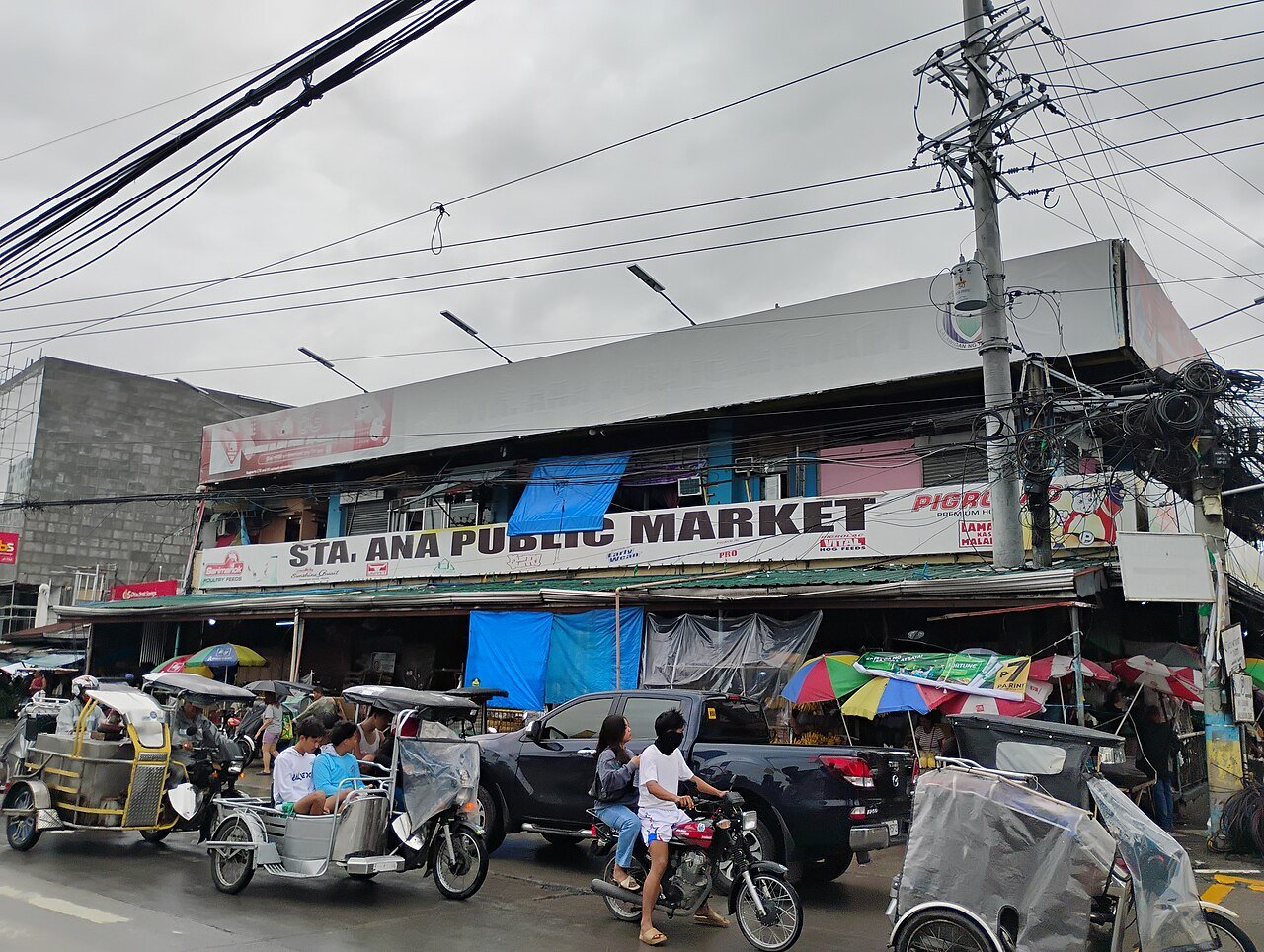
- The public market. For students curious how locals actually shop and eat, a wet/public market visit is worth doing at least once — cheap produce, street food stalls, and a far more textured sense of everyday Filipino life than a mall gives you.
Snacks and late-night hunger
Convenience stores are everywhere in and around Clark and stay open long hours, which matters more than it sounds — after an evening class block or a study session, a five-minute walk for a snack or coffee is usually all it takes.
Meals are part of the immersion, not just logistics
It's easy to treat the cafeteria as a footnote next to classes and dorm rooms, but for an adult living on campus for a month or more, meals are one of the daily rhythms that make or break how sustainable the whole course feels. Knowing the baseline going in — and knowing real options sit a short walk away — takes one more unknown off the table before you land.
If you're mapping out the full picture of what a course actually includes, read the real cost breakdown of studying English in Clark alongside this, since meals are usually part of what's bundled into tuition. And once food is sorted, the complete guide to dormitory life at a Clark English school covers the rest of daily living — rooms, laundry, and house rules.
FAQ
Are meals included in tuition at CAESA schools?
At most member schools, yes — a three-meals-a-day cafeteria service is typically bundled into the course package, though exact inclusions and any weekend variations differ by school, so confirm the specifics when you enroll.
Can I request vegetarian or halal meals?
Many schools can accommodate reasonable dietary requests, but kitchen capacity varies. Raise any dietary needs or allergies during enrollment rather than after arrival, so the school has time to plan for it.
Is it easy to eat outside the cafeteria if I want variety?
Yes. Clark and neighboring Angeles City have malls, food courts, and a wide range of restaurants — including a strong concentration of Korean and other Asian cuisine — all within easy reach on evenings and weekends.
Do I need to bring snacks from home?
Not really. Convenience stores near most campuses stay open long hours and are well stocked, so there's rarely a need to pack food for the trip itself.
See the 8 CAESA schools to compare how each one handles meals and daily routines, or get in touch with questions before you book.