
Multinational Dorm Etiquette That Works
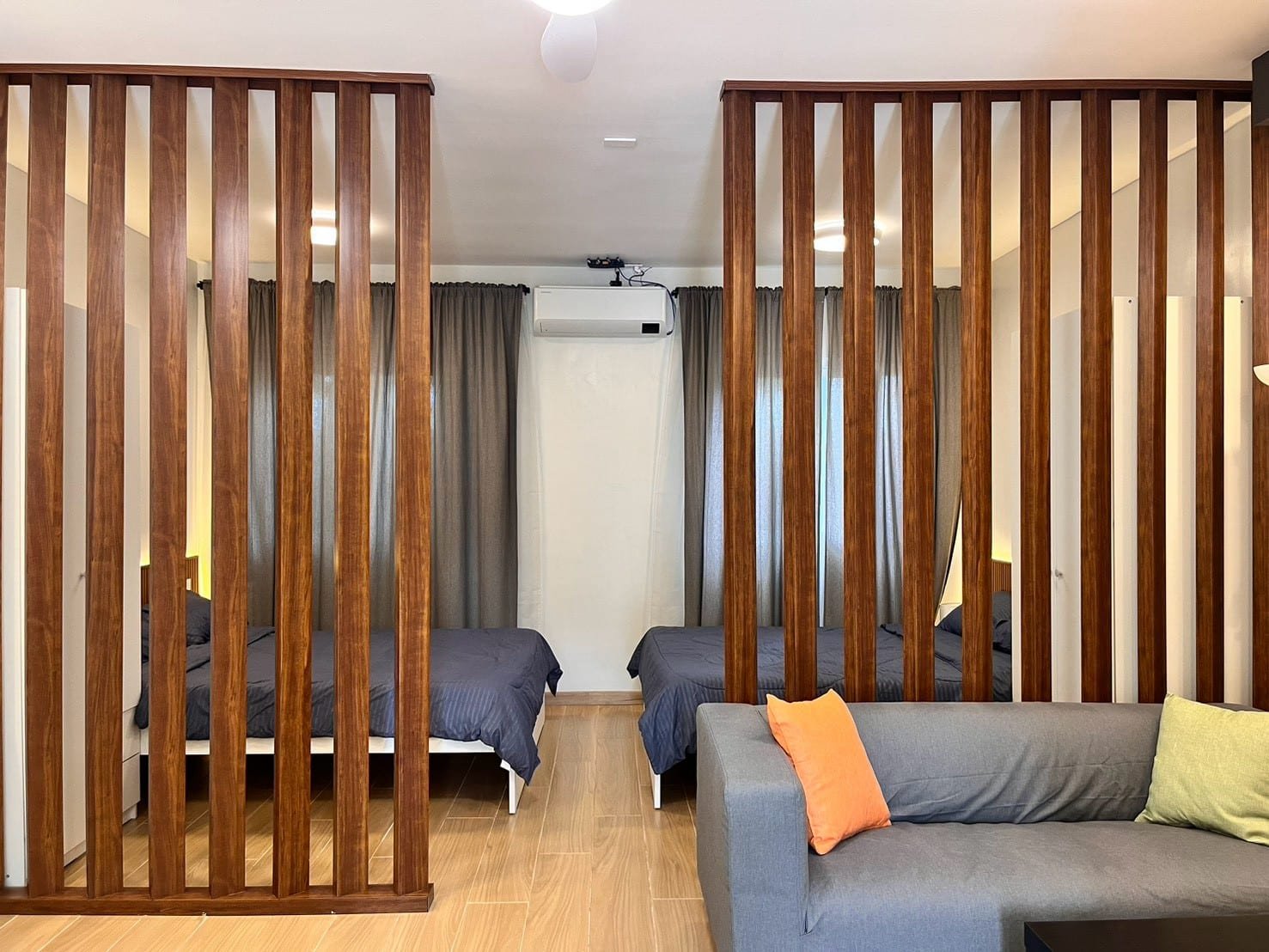
One detail catches a lot of adult students off guard on arrival day: your roommate almost certainly won't share your first language. A Clark campus room might pair a Korean office worker with a Vietnamese engineer, or a Russian graduate student with a Brazilian entrepreneur — because schools deliberately mix nationalities to keep English the shared language, even outside class. That's genuinely useful for your fluency. It also means the usual unspoken roommate assumptions you'd rely on at home don't automatically apply. Here's what actually smooths that out.
Why your roommate can become your best study partner
Every hour you spend chatting, negotiating the aircon setting, or explaining a joke to a roommate is unscripted, real-world English practice — arguably closer to the speaking you'll need outside a classroom than a lesson is. Students who lean into this, rather than retreating to group chats in their own language, consistently report that their listening and everyday vocabulary improve faster. It's one of the quieter advantages of a genuinely international dorm.
The friction points that come up most
Across any mixed-nationality living arrangement, a handful of issues recur. None of them are dramatic — they're just cultural defaults that differ:
- Sleep and study schedules. Some students are up at 5am reviewing vocabulary; others study best at midnight. Neither is wrong.
- Noise tolerance. What counts as "normal volume" for a phone call or music varies more than people expect.
- Personal space and belongings. Norms around borrowing, sharing snacks, or tidiness differ by upbringing, not by rudeness.
- Directness. Some cultures raise an issue immediately and plainly; others hint at it for days before saying anything. This mismatch causes more friction than any single habit.
- Guests and visitors. Whether it's normal to invite classmates into the room, and for how long, is worth agreeing on early.
The lights-out negotiation
The single most common source of low-grade tension is simply: when does the room go quiet? Rather than assuming your roommate will notice your cues, have this conversation in the first day or two, plainly and kindly — "I usually sleep around 11, is that okay for you? What works for you?" Most schools also set overall building quiet hours as part of house rules, which gives you a shared baseline to point to if things ever need a gentle reset. (Room types, curfews, and how house rules vary by school are covered in our dormitory life guide if you want the fuller picture before you enroll.)
Food, smells, and shared space basics
Shared mini-fridges and desks are common flashpoints anywhere in the world, not just in Clark. A few habits go a long way: label your food, ask before eating something that isn't clearly communal, and be upfront if a dish you're craving from home has a strong smell that might not travel well in a shared room. Most of this resolves itself with one honest conversation rather than a string of passive-aggressive notes.
Should you speak English with your roommate, or is that awkward?
It's less awkward than people expect, mostly because it's often the *only* shared language in the room. Rather than treating it as a formal rule, let it happen naturally — you'll likely default to English anyway once you realize it's the fastest way to actually communicate. Some students agree explicitly to keep the room "English only" during certain hours as an informal pact; others don't bother and it happens on its own. Either way, this is one of the genuine, free bonuses of a mixed-nationality campus, distinct from your scheduled classes — see how those classes build fluency in what to expect from your 1:1 English classes.
When something's actually bothering you
If a real issue comes up — genuinely disruptive noise, hygiene, or a values clash — say something directly but kindly, early, rather than letting it build. If a direct conversation doesn't resolve it, dorm staff at a properly run school are used to mediating exactly this kind of thing and can help, including arranging a room change if the mismatch is serious. This is one more reason licensing and structure matter: a well-run school has an actual process for this, not just goodwill.
FAQ
Will I be roomed with someone from my own country if I ask?
Policies differ by school — some accommodate requests, others deliberately mix nationalities by default to support English immersion. Ask directly during enrollment if this matters to you.
What if my roommate and I have very different sleep schedules?
This is common and usually solvable with an early, direct conversation and small compromises — earplugs, a desk lamp instead of overhead light, or agreeing on a rough quiet-hours window.
Is it rude to ask my roommate to speak English instead of their native language on a call?
Not if you ask kindly and explain why — most students studying English understand and even appreciate a gentle reminder, since they're working toward the same goal you are.
What do I do if a roommate conflict doesn't resolve itself?
Raise it with dorm staff. A room change or mediated conversation is a normal, expected request at a properly managed school, not something to be embarrassed about.
Curious how room assignments and dorm culture differ across schools? See the 8 CAESA schools or get in touch to ask what a typical room mix looks like.
Read moreESL Philippines: What It Means and How to Choose a Course
Meet the 8 Schools →