
3-Month English Course Philippines: Visa, Budget
A three-month course is not a long two-week course. It crosses administrative lines that shorter stays never reach, and the planning that matters is paperwork, recurring costs and pacing rather than curriculum.
If you want the week-by-week teaching shape, that is a different article: 12 weeks month by month. This one is about making the three months administratively and financially survivable.
The lines a three-month stay crosses
| Threshold | What happens | Fee |
|---|---|---|
| Your initial permitted stay ends | A visa extension is required to continue legally | ₱3,000–6,000 per extension |
| Total stay passes 59 days | An ACR I-Card application becomes due | ₱4,500 |
| Each further month | Another extension | ₱3,000–6,000 each |
| If you extend the course itself | A second SSP application may be required | ₱7,800 per application |
The common pattern is an initial permitted stay, a first extension that takes the total to 59 days, and monthly extensions after that — but the length of your initial entry depends on your nationality and on current rules, so confirm it on the Bureau of Immigration pages or with the Philippine embassy for your country before you plan dates. Do not build a 90-day itinerary on a number from a forum.
At the school exchange reference of roughly 58 pesos to the US dollar, the ACR I-Card is about USD 78 and the SSP about USD 135. Government fees change; confirm current figures with your school.
The SSP point is the one people get wrong. It is priced per application, and it is commonly issued for a period that covers a three-month course — but some offices issue it for the course length actually enrolled. If you extend from eight weeks to twelve after arriving, a second application can be required. Treat "one payment covers me however long I study" as an assumption to check, not a fact. The first-week sequence is in the SSP student permit guide.
Build the budget as three layers
A three-month quote looks cheaper per week than a two-week quote, which is true and also misleading, because the recurring items scale with time while the headline figure does not.
Layer 1 — the quoted package. Usually tuition plus accommodation and often meals. What is bundled differs by school, so get the inclusion list in writing.
Layer 2 — the fixed arrival items. Flights, insurance, SSP, the first round of local setup. These happen once regardless of length.
Layer 3 — the recurring items. Visa extensions, the ACR I-Card, utilities or laundry if billed separately, transport, weekends, data, and the ordinary cost of living for three months rather than two weeks. This layer is where three-month budgets break, and the itemised version is in monthly living costs beyond tuition.
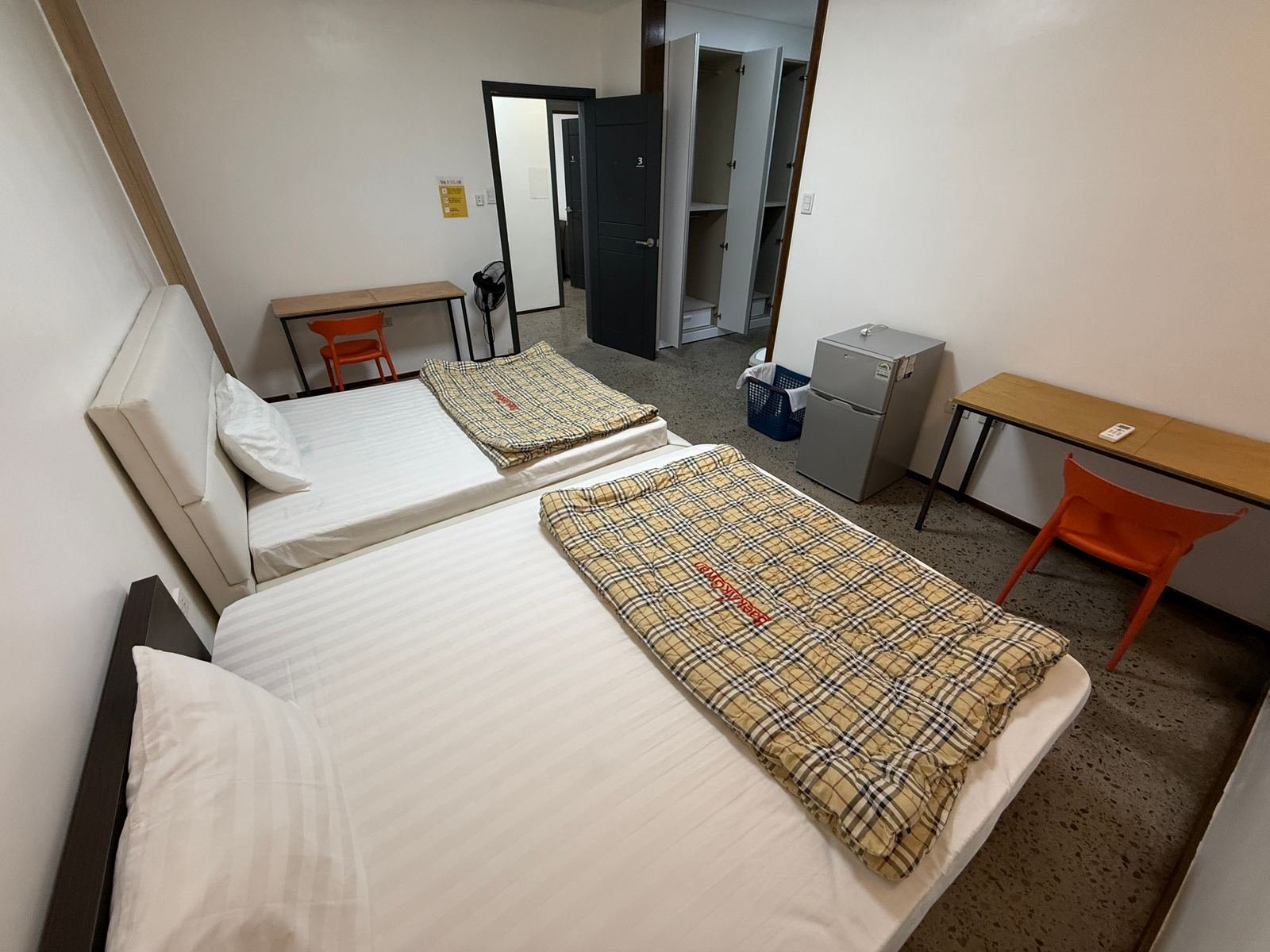
Room type is the biggest single lever you control. A shared four-person room and a single room sit at opposite ends of the same price list, and over twelve weeks the gap compounds. Whether you can live well in a shared room for three months is a real question, not a purely financial one — a quad is sociable and cheap and offers very little privacy at week nine.
Pacing: the part nobody budgets for
Three months is long enough for progress to stop feeling linear, and planning for that in advance is the difference between a useful twelfth week and a resentful one.
- Weeks 1–2. Adjustment. Expect to be tired and to speak worse than you think you can.
- Weeks 3–5. The usual flat stretch. Output has not caught up with input yet. This is normal and it is not a sign the school is wrong.
- Weeks 6–9. Where most adults notice the change — less hesitation, less internal translating.
- Weeks 10–12. Consolidation, and the point to decide what happens next rather than drifting to the end.
Two practical habits help more than anything else: keep a written list of your repeated errors and check monthly that it is shrinking, and take a real break at least one day a week. Twelve weeks of unbroken intensity is how people arrive at week ten with nothing left.
Decide the length before you fly, if you can
Extending after arrival is possible and common, but it is not free — it can mean a new permit application, a changed flight, and another extension cycle. Shortening is usually worse, because refund terms are set in the contract you already signed. Ask both questions before paying: what does extending cost, and what happens to the unused portion if I leave early? The practical consequences are in extending or shortening your course.
Short answers
Is three months better value than two courses of six weeks?
Usually yes on price per week, and definitely yes on continuity — one teacher relationship and one error list beat two fresh starts. It is worse if a single three-month absence is harder to arrange at work than two shorter ones.
Do I need a student visa for three months?
A course on a tourist entry with an SSP and extensions is the normal route for language study, but visa categories and conditions are set by the government and change. Confirm your situation with the embassy or Bureau of Immigration rather than assuming.
Can I work remotely during the three months?
Some students do, but an SSP is a study permit and local paid work is not something to experiment with. Whether a schedule leaves room for client calls depends entirely on the course track you choose.
Should I book a flexible return flight?
If your budget allows it, yes. Three months is long enough for plans to change, and a changeable ticket is cheaper than a last-minute one.
The short version
Confirm your initial permitted stay with official sources, diary the 59-day ACR line the day you land, ask whether your SSP covers the full three months, and budget the recurring layer separately from the quoted package. Pick the room type you can actually live in at week nine, plan for a flat stretch around weeks three to five, and settle the extension and refund terms before you pay. More planning detail is in our preparation section; in Clark, enrolment with the eight CAESA member schools runs through partner agencies who handle the filing with the school.
Read moreESL Philippines: What It Means and How to Choose a Course
Meet the 8 Schools →