
Inside the Clark Freeport Zone: Gated Safety
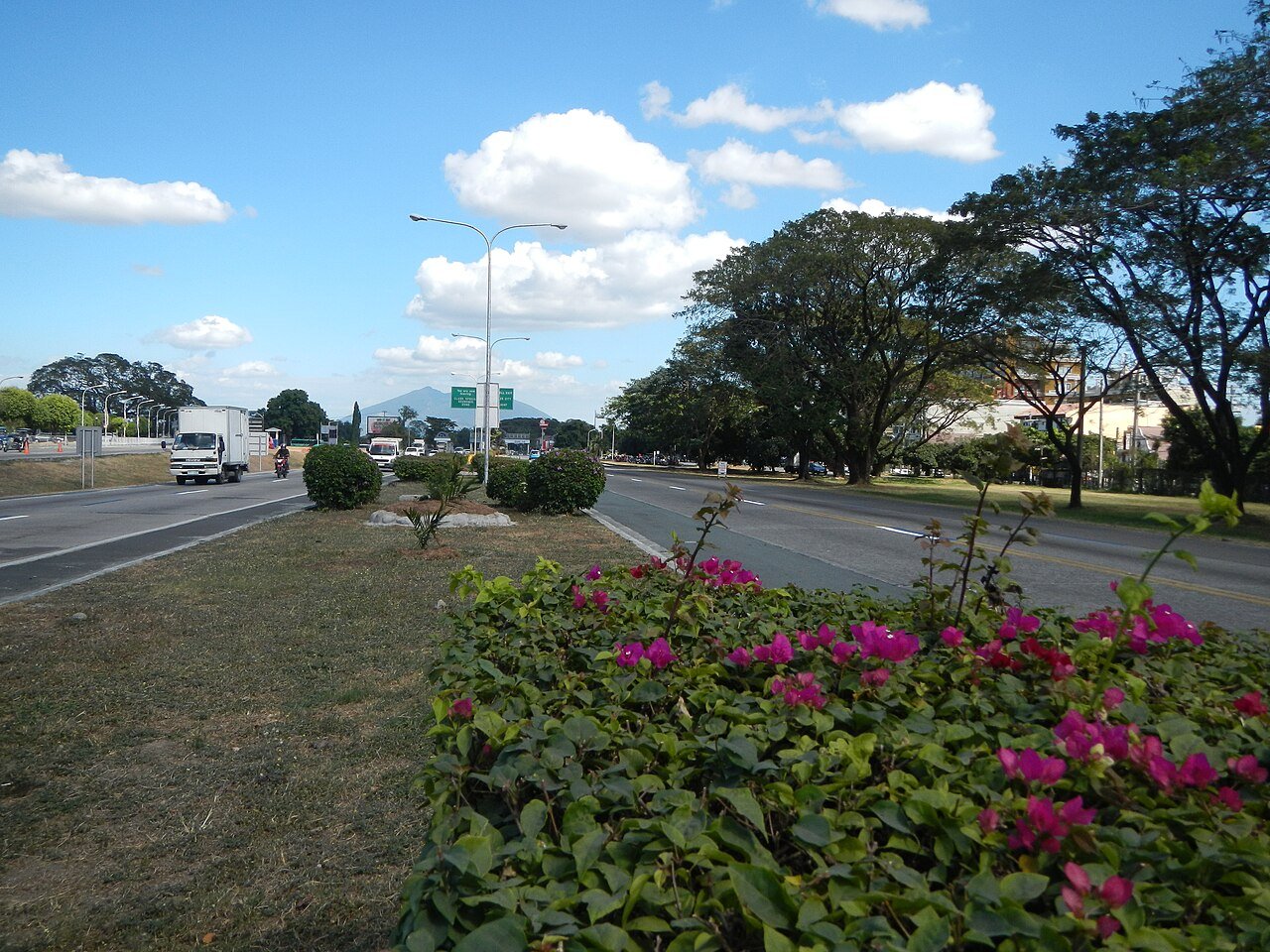
Ask what Clark used to be, and the answer is: a US military airbase. Ask what it is now, and CAESA schools will tell you it's a managed special economic zone — and that transition from military base to planned zone is exactly why the area still functions differently from an ordinary Philippine city. For adult students weighing safety before committing weeks or months abroad, understanding that structure matters more than any generic reassurance.
Not a neighborhood — a managed zone
The Clark Freeport Zone (CFZ), part of the wider Clark Freeport and Special Economic Zone, is administered by the Clark Development Corporation and spans parts of Angeles, Mabalacat, and Porac in Pampanga. It isn't a neighborhood that happens to feel orderly — it's a purpose-built, regulated zone with its own access rules, distinct from how an ordinary city block operates. Most CAESA member schools sit inside or immediately near this zone, which is part of what gives Clark its reputation as a calm, controlled base for focused study.
What "gated" actually means at the entry points
The zone has controlled entry points staffed with security, meaning vehicles and, at some gates, pedestrians pass through an identification or checkpoint process to enter. In practical terms: this isn't a symbolic gate for show. The zone maintains guarded access points, patrolled perimeter areas, and its own zone-specific policing presence, layered on top of the ordinary Philippine police and barangay (local district) system that covers the wider area.
None of this means paperwork or delay for a student going about daily life — once you're a known resident or student in the area, moving in and out is routine. It means the zone as a whole operates with a level of access control an open city district simply doesn't have.
A typical day, seen through the security layer
Picture an ordinary weekday. You wake up on campus, inside the zone. Walking to a nearby mall or restaurant for lunch, you're moving within an area with guarded perimeter roads and a visible security presence, not through unmanaged open streets. If you head out to Angeles City just outside the gates for the evening — perfectly normal, plenty of students do — you're stepping into a regular, functioning Philippine city with its own standard precautions, then returning through a controlled gate back into the managed zone for the night.
That contrast is the point: your evenings and weekends aren't confined, but your home base — where you sleep, study, and spend most weekday hours — sits inside a structurally more controlled environment than an open city district.
Why this matters more for solo adult students
For an adult student traveling alone — a common profile at CAESA schools, not an exception — this structural layer tends to matter more than it would for someone traveling in a group. A managed entry system, a visible security presence, and a genuinely walkable, low-traffic layout all reduce the everyday friction and vigilance that solo travel elsewhere can require. It's one less thing to manage mentally while you're also trying to focus on an intensive course.
This is separate from, and complementary to, the licensing question — a legitimate school with a valid government license and the ability to process your Special Study Permit (SSP) is the other half of a genuinely safe setup. If you haven't already, it's worth reading how to verify a school is licensed and can process an SSP alongside this — a secure zone and a legitimate school are two different safeguards, and you want both.
What the zone isn't (managing expectations honestly)
To be fair and accurate: "gated economic zone" doesn't mean sealed off from the outside world, and it doesn't mean zero ordinary caution is needed. Standard travel common sense — watching your belongings, using licensed transport, not wandering unfamiliar areas alone late at night — still applies here as it would anywhere. The zone's structure reduces certain risks; it doesn't eliminate the need for normal awareness.
Structure you can actually verify
Unlike a marketing claim about "safety," the gated, access-controlled nature of Clark Freeport Zone is a matter of public record and physical fact, not just a promise a school makes you. If you're comparing Clark to other Philippine study regions on this basis, see how it stacks up in our Clark vs Manila comparison for adult students or the broader Clark vs Cebu vs Baguio look at all three.
FAQ
Do I need ID to enter or exit the Clark Freeport Zone?
Vehicles and, at certain points, pedestrians pass through staffed checkpoints at the zone's gates. For residents and students, this is a routine, quick process, not a bureaucratic hurdle for daily movement.
Is Angeles City outside the zone unsafe?
No — it's a normal, functioning Philippine city requiring the same ordinary common sense you'd use anywhere. Many students go into Angeles City regularly for restaurants and nightlife without issue.
Does living inside the zone mean I can't leave freely?
Not at all. Students come and go through the gates routinely for classes, weekend outings, and evenings out — the checkpoints control and monitor access, they don't restrict it.
Is a gated zone enough on its own, or does the school also need to be licensed?
Both matter and cover different risks. The zone's security structure is separate from a school's government licensing and ability to process your SSP — a genuinely safe setup requires both a controlled environment and a legitimate, licensed school.
Want to see the zone and its schools for yourself before committing? See the 8 CAESA schools or get in touch with any safety questions before you book.